Tomato growing
Why grow your own tomatoes?
Superior Taste & Freshness
Homegrown tomatoes are picked at peak ripeness, resulting in richer flavor, aroma, and sweetness
There’s no comparison
One bite of a sun-warmed tomato from your garden changes everything.
Unlike store-bought tomatoes, which are often picked green and ripened artificially, yours develop their full potential on the vine.
Growing your own tomatoes isn’t just a rewarding hobby — it’s a powerful step toward a more sustainable, healthy, and autonomous lifestyle
There is a quiet magic in growing your own tomatoes — a simple act that connects us to the earth, to the seasons, and to a deeper sense of self-reliance.
Beyond the joy of watching green vines climb toward the sun and the first burst of red fruit appearing like a promise kept, there are profound advantages to cultivating tomatoes in your own garden.
It’s more than gardening; it’s a return to something essential.
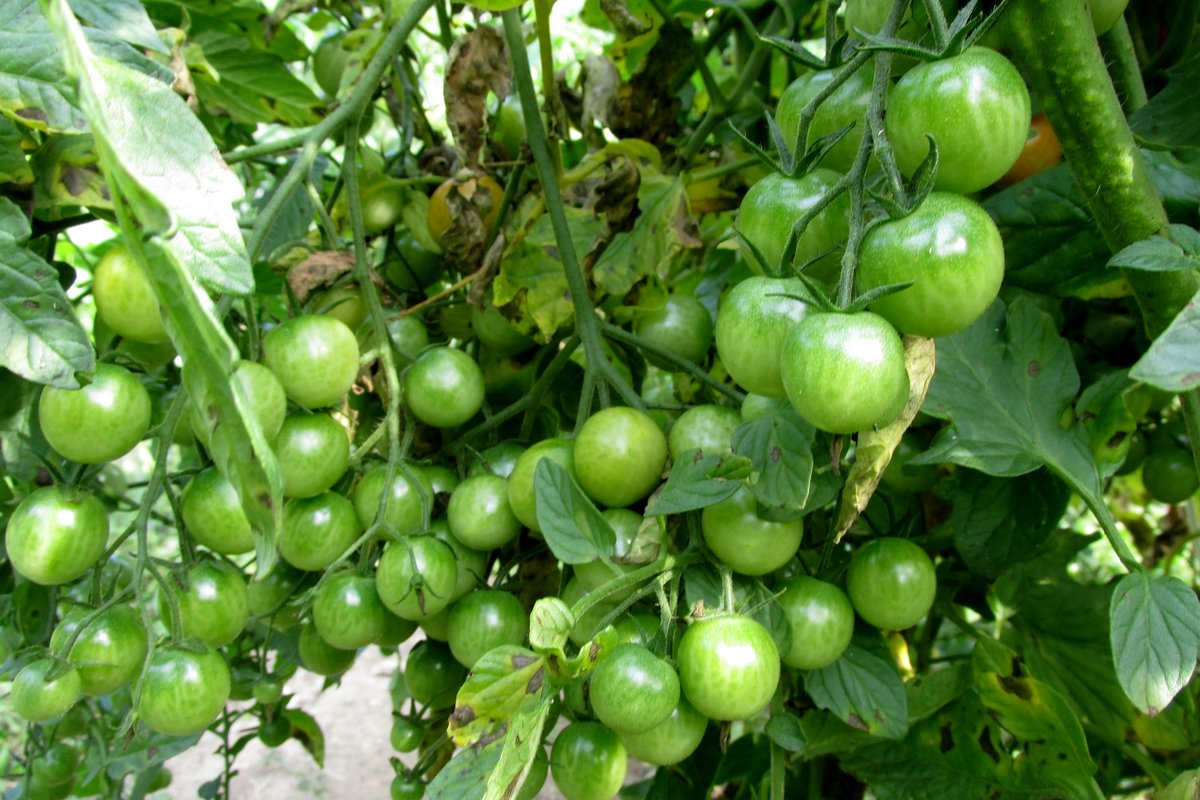
The tomato growing season
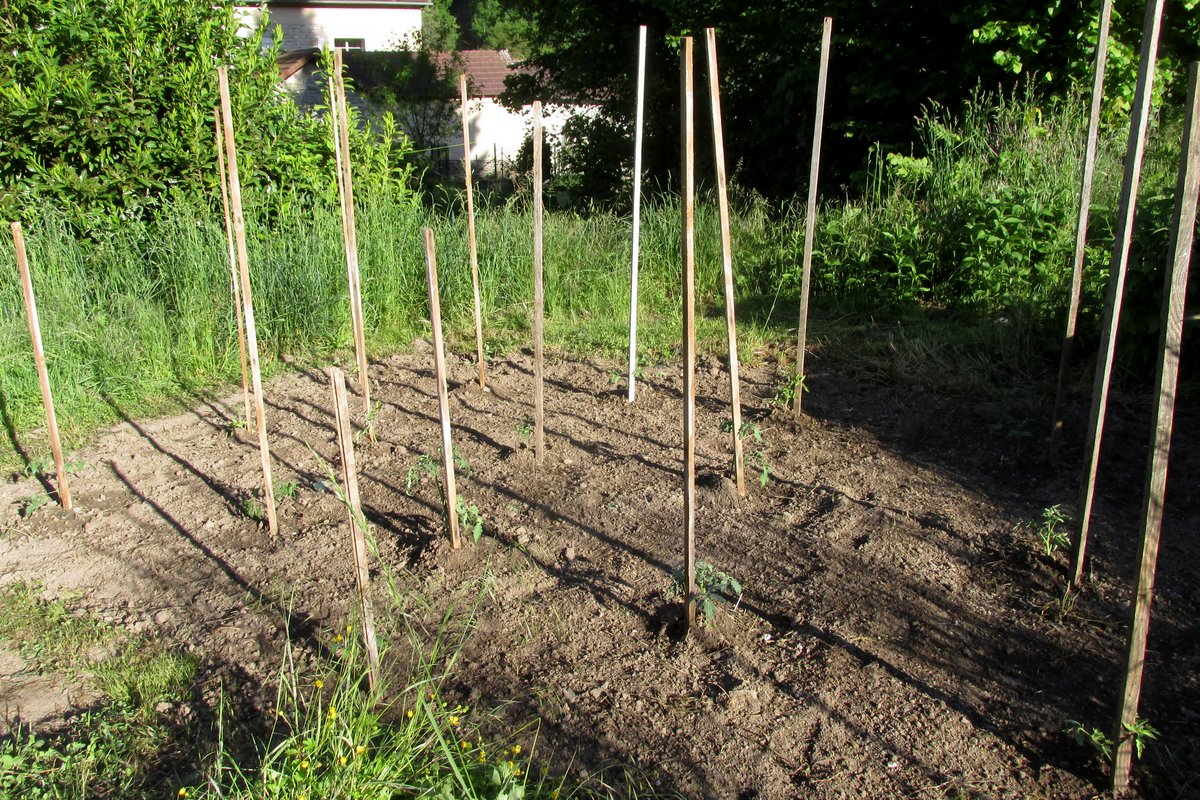
May
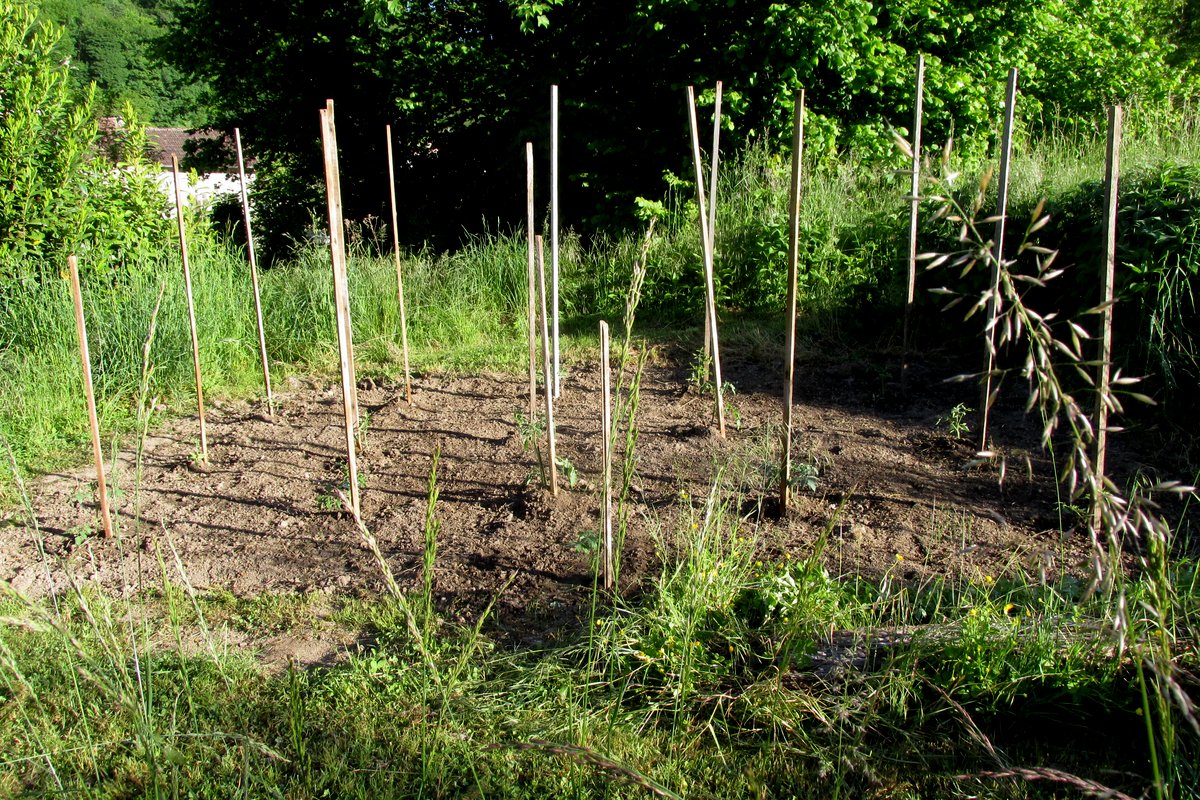
June
July

August

Sept
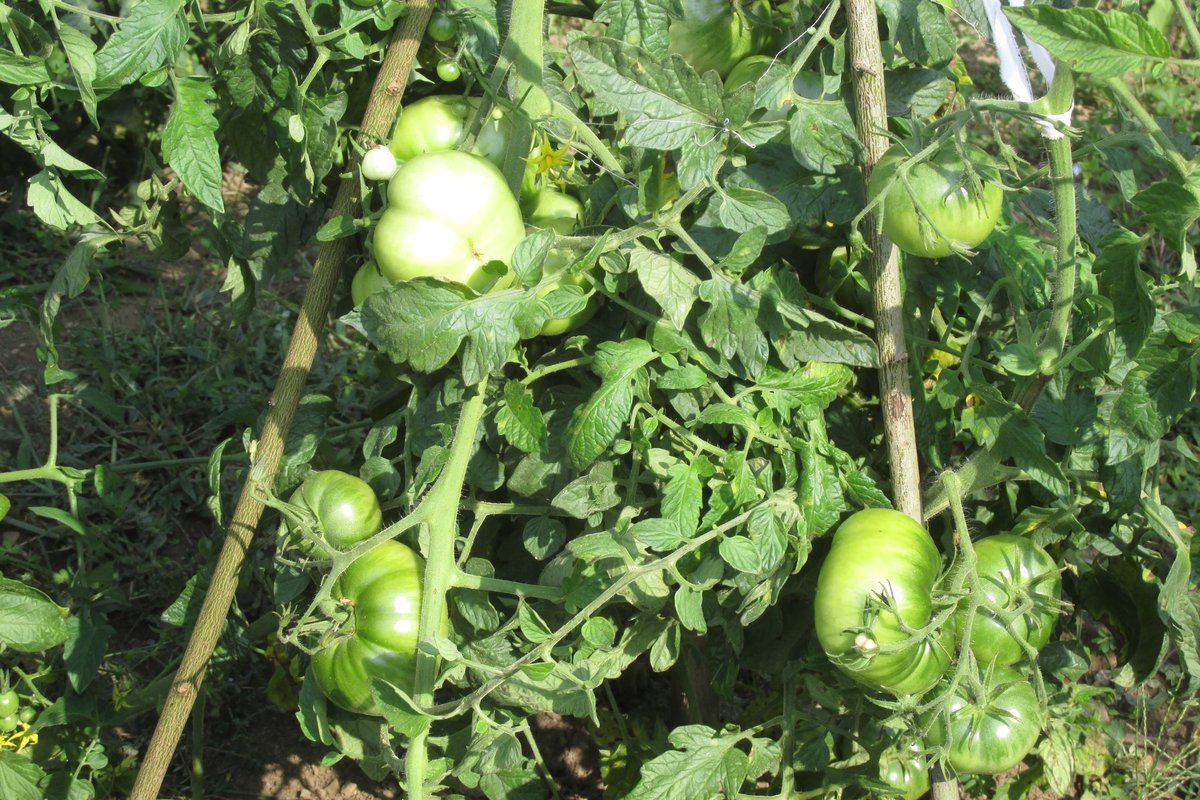
A richness that store-bought tomatoes cannot match
The most immediate reward is flavor — an explosion of sweetness, acidity, and richness that store-bought tomatoes simply cannot match.
Imagine biting into a sun-warmed fruit, still fragrant from the vine, its juice running down your fingers.
This is freshness at its peak, harvested not days ago in a distant greenhouse, but moments ago, right outside your door.
The benefits go far beyond taste
When you grow your own, you reclaim control over what touches your food. No synthetic pesticides, no artificial ripening, no long journeys in refrigerated trucks.
You choose compost over chemicals, rainwater over waste, and care over convenience. Your tomatoes become a symbol of health — not just for your body, but for the soil, the bees, and the ecosystem around you.
There is also economy in this act. A single plant, nurtured from seed, can yield kilograms of fruit over a season. The investment is small — a pot, some soil, a little time — but the return is abundant. And if you save seeds from your best tomatoes, you begin a cycle of renewal, adapting plants to your garden year after year, strengthening resilience and independence.

A conscious choice for a better future
In a world of constant screens and digital noise, the garden offers silence, rhythm, and presence. Kneeling in the soil, watering, pruning, watching life unfold — it’s a meditation. Children learn wonder here. Families share quiet moments. Stress fades as roots take hold.
And then there’s the deeper value: autonomy. In choosing to grow your own food, you step gently but firmly outside the industrial system. You reduce packaging, lower your carbon footprint, and strengthen your local environment. You become part of a quiet movement — one that values sustainability, locality, and responsibility.
Sharing
A garden always gives more than one can eat. And so, tomatoes travel — to neighbors, to friends, to markets, to kitchens where they become sauces, salads, memories. In this exchange, community grows alongside the vines.
So to grow your own tomatoes is not just to harvest fruit. It is to cultivate health, wisdom, connection, and hope — one seed at a time.
Your garden becomes a living expression of those same values — rooted in the soil, reaching for the sun.
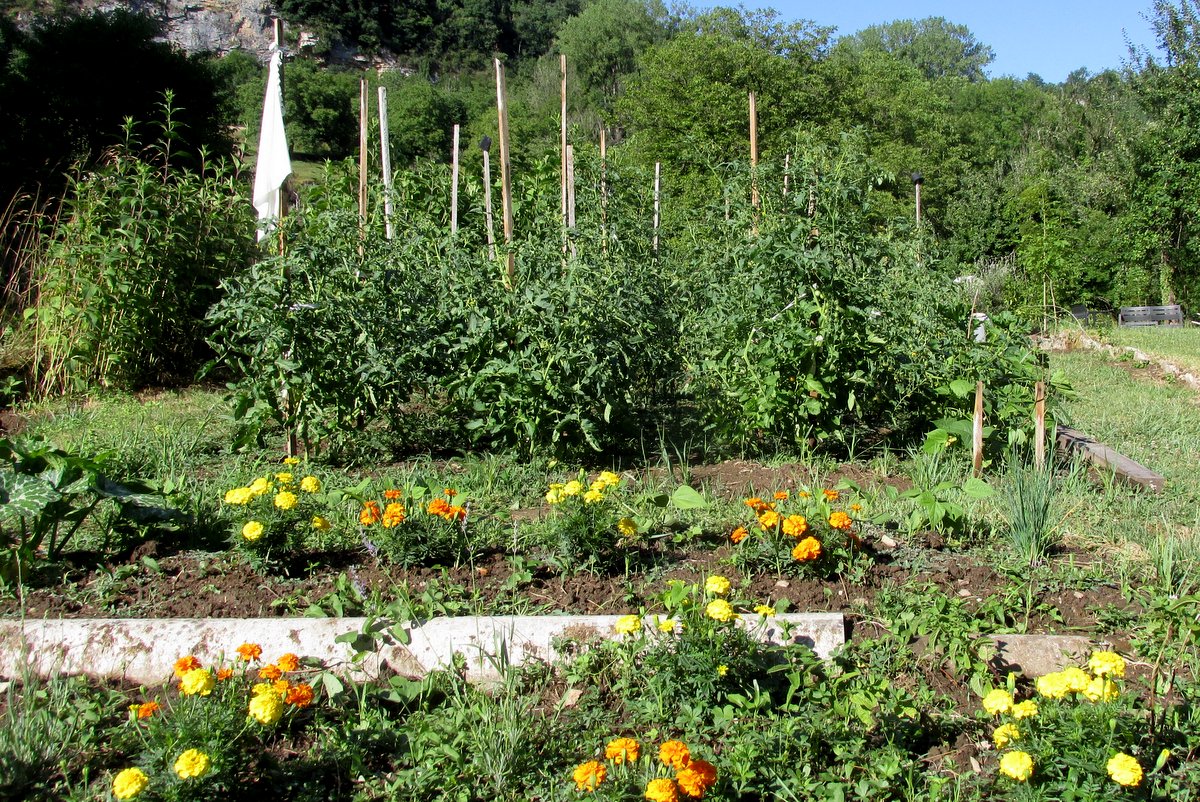
Plant
Tomatoes need at least 6–8 hours of direct sunlight per day. Choose the sunniest part of your garden.
Prepare the Soil
Use rich, well-draining soil full of organic matter.
Mix in compost or well-rotted manure — it boosts nutrients naturally.
Avoid chemical fertilizers; go for organic amendments to protect soil health and local ecosystems.
Plant at the Right Time
Wait until after the last frost — tomatoes hate cold!
In temperate climates (like Switzerland), late May to early June is ideal.
Bury the stem deep — tomatoes develop roots along the stem, making stronger plants.
Tend
Water Wisely
Water deeply and regularly, but avoid wetting the leaves (to prevent fungal diseases).
Morning watering is best.
Use rainwater if possible — collect it in a barrel to reduce tap water use.
Support Your Plants
Use bamboo stakes, cages, or trellises to keep plants upright.
This improves air circulation and reduces disease risk.
Mulch for Health & Sustainability
Apply organic mulch (straw, wood chips, or grass clippings) around the base.
It retains moisture, suppresses weeds, and feeds the soil as it breaks down.
Monitor for Pests Naturally
Encourage beneficial insects like ladybugs and lacewings.
Use homemade sprays (e.g., garlic or soap water) for aphids.
Companion planting works wonders: grow basil, marigolds, or onions nearby to repel pests.
Harvest
Harvest with Care
Pick tomatoes when they’re fully colored and slightly soft.
Regular harvesting encourages more fruit.
Save Seeds!
Let a few ripe tomatoes go fully ripe, scoop out the seeds, ferment them for a few days, then dry and store.
You’ll have your own local, resilient seeds for next year — a true act of autonomy and sustainability.
Choosing the Right Variety
Determinate (bush-type)
Great for containers or small spaces, produces fruit all at once.
Indeterminate (vining)
Keep growing and producing all season — ideal for garden beds.
Opt for local or heirloom varieties adapted to your climate — it’s better for biodiversity and resilience.