The Three Economic Ages of Baume-les-Messieurs
From winemaking to dairy farming, then to tourism
The village of Baume-les-Messieurs has experienced a profound shift in its primary economic engine, moving from winemaking (pre-19th century) to dairy farming (late 19th and 20th centuries), and finally, in the latter half of the 20th century and into the 21st, to tourism. This latest transformation positions tourism as the central source of income and activity, much as dairy farming once dominated the local economy.
Baume-les-Messieurs’ economic history can be viewed through three distinct eras, each dictating land use and the rhythm of village life:
1. Age of the Vine (Pre-1880s)
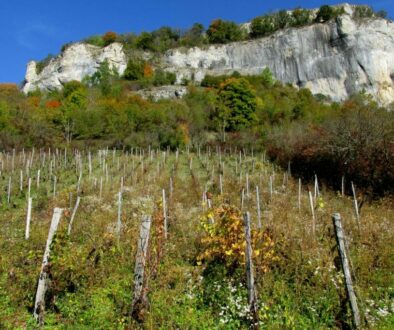
For centuries, Baume was a community focused on viticulture. The steep slopes of the reculée (blind valley) were terraced with vineyards, producing high-quality Jura wines. Houses were built with large, cool underground cellars to ferment and age the wine. Village activity centered on the harvest (vendanges), pressing, and sale of wine.
2. Age of the Vache (The Cheese Industry, 1880s–1980s)
The devastating Phylloxera crisis in the late 19th century wiped out most of the vineyards, forcing a dramatic economic pivot.
- Dominant Economy: Winemaking gave way to dairy farming, focused on the production of Comté cheese through the cooperative system of the fruitière.
- Economic Centrality: Dairy farming became the undisputed key industry. The fortunes of every farm family depended on milk yield and the success of the fruitière.
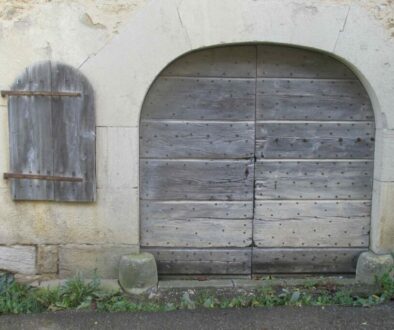
- Physical Infrastructure: The old wine cellars were repurposed as cheese aging rooms (caves d’affinage). New, large barns and stables were built or adapted to house the Montbéliarde cattle. The cooperative fruitière building was the social and economic heart of the village. For nearly a century, the smell of milk, fodder, and aging cheese defined Baume’s daily life.
3. Age of Tourism (Late 20th Century to Present)
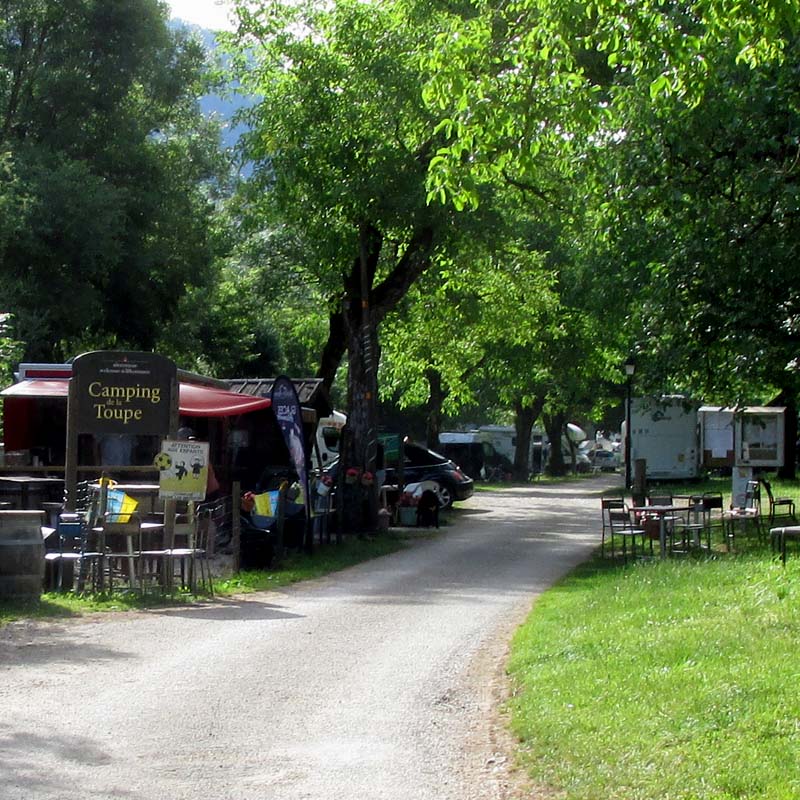
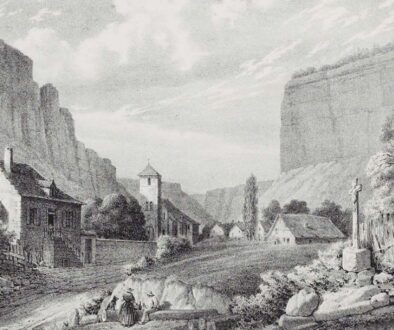
The transition away from dairy farming began as agricultural practices consolidated across France. Small-scale dairy operations became less economically viable, leading to the closure of many local fruitières. Simultaneously, the natural beauty of the village—the abbey, the waterfalls, and the unique geological formation of the valley—began to draw visitors.
The Rise of Tourism as the Key Industry
Today, tourism has assumed the central, critical role that the dairy industry once held, becoming the primary economic activity of the village.
| Factor | Dairy Farming (Past Importance) | Tourism (Present Importance) |
| Economic Driver | Milk sales and cheese production provided the main income stream for a majority of families. | Visitor spending (accommodation, restaurants, gifts, site fees) fuels the local economy. |
| Central Infrastructure | The Fruitière (cooperative dairy) and farm buildings. | The Abbey, the Waterfall, the Caves, and the local restaurants/accommodation. |
| Daily Rhythm | Dictated by the cows (milking times) and the cheese production schedule. | Dictated by the seasonal flow of visitors (peak summer/holidays). |
| Labor Force | Farmers and fruitière workers. | Hoteliers, restaurateurs, guides, and shop owners. |
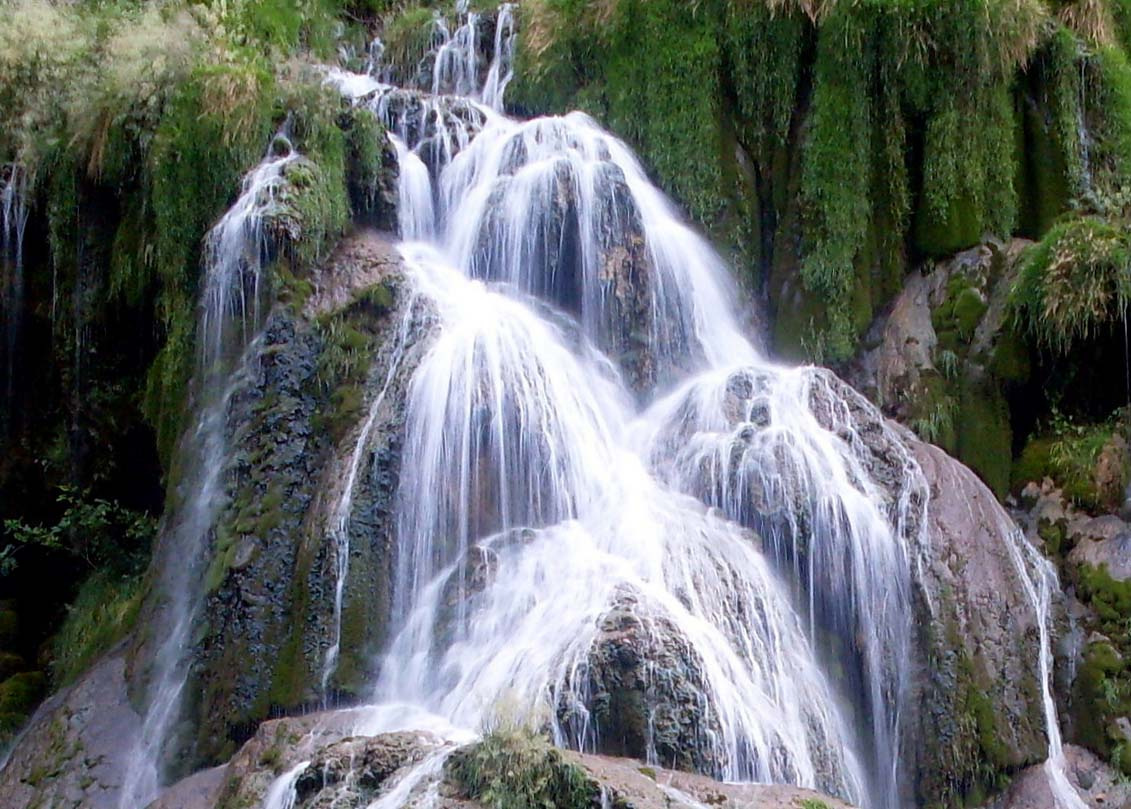
Importance of tourism to Baume
Tourism now supports local employment, drives investment in preservation (especially the magnificent Baume Abbey), and sustains the remaining small businesses.
Just as the closing of a fruitière would have spelled doom for the 20th-century village economy, a drop in tourist numbers now poses the most significant financial risk.
The infrastructure reflects this change: hay lofts once full of fodder are now often gîtes or short-term holiday rentals.
The village is maintained less for agricultural efficiency and more for aesthetic appeal to appeal to the hundreds of thousands who visit the Baume-les-Messieurs abbey, caves and waterfalls each year.
The cycle of economic adaptation in Baume-les-Messieurs is complete: the land, once sacred to wine and later to the cow, is now primarily cultivated for the visitor.