Heating with Wood
Technical Perspective
Heating with wood is as much a science as it is an art. While its cultural, aesthetic, and traditional value cannot be denied, modern wood heating technologies are highly sophisticated, requiring careful design, fuel preparation, and maintenance to achieve optimal efficiency and environmental performance.
Properties of Firewood and Combustion
The efficiency of any wood-heating system begins with the wood itself. The species, moisture content, and log size directly influence combustion quality and energy yield.
-
Species: Dense hardwoods like oak, hornbeam, and beech produce long-lasting embers and higher calorific values compared to softwoods such as pine or spruce, which ignite quickly but burn faster.
-
Moisture content: Freshly cut wood can contain up to 50% water, dramatically reducing efficiency and increasing creosote buildup. Properly seasoned firewood (dried for 18–24 months) should have moisture content below 20%.
-
Log size: Smaller splits ignite faster and are useful for kindling, whereas larger logs sustain heat output.
Calorific value of seasoned hardwood: ~4 kWh/kg. A typical household using 10 m³ of firewood per year could generate ~15,000–18,000 kWh of heat, depending on efficiency.
The Modern Wood Stove
Modern EPA-certified or EU EcoDesign-compliant wood stoves achieve combustion efficiencies of 70–85%. They use secondary and tertiary air inlets to ensure near-complete combustion of volatile gases, significantly reducing particulate emissions compared to traditional open fires.
-
Technical features:
-
Cast iron or steel body for thermal mass.
-
Airwash system to keep glass doors clear.
-
Baffle plates to extend flame path and improve heat transfer.
-
Optional heat storage modules (ceramic or stone cladding) for long radiant output.
-
-
Performance:
-
Typical stove output: 5–10 kW.
-
Suitable for spaces of 50–150 m² depending on insulation.
-
Fuel consumption: ~2–3 kg of wood per hour at nominal output.
-
Wood-Fired Boilers and Central Heating Systems
Wood-fired boilers are engineered for whole-house heating and integration with hot water systems. Unlike stoves, which deliver direct radiant heat, boilers transfer energy to water, enabling hydronic distribution through radiators, convectors, or underfloor systems.
-
Log boilers: Designed for batch burning of large logs (50–70 cm), often requiring a thermal buffer tank (500–2000 L) to store excess heat and release it gradually.
-
Gasification boilers: Burn logs in a primary chamber and force gases through a secondary high-temperature zone, achieving efficiencies up to 90%.
-
Integration: Can be combined with solar thermal panels, pellet systems, or conventional boilers for hybrid heating solutions.
Emissions, Efficiency, and Regulation
Wood combustion releases particulates, carbon monoxide, and volatile organic compounds. To minimize this, the EU has set strict emission standards under EcoDesign 2022, requiring stoves to emit fewer than 40 mg/m³ of particulates and to reach minimum seasonal efficiencies above 65%.
Chimney design and maintenance are equally important: insulated flue liners, correct draft, and annual sweeping reduce risks of chimney fires and improve efficiency.
Storage, Handling, and Safety
Wood storage requires a dry, ventilated environment. Logs should be stacked off the ground and protected from direct rain but with airflow to allow seasoning. Indoors, smaller reserves near the stove should be monitored for pests and excessive moisture.
Safety considerations include:
-
Proper clearance to combustibles.
-
Carbon monoxide detectors in living areas.
-
Compliance with local building codes and insurance requirements.
Sustainability and Life Cycle Analysis
When harvested sustainably, wood is considered carbon-neutral over its life cycle. In Eastern France, for instance, forests are expanding, and selective harvesting ensures renewable supply. Life cycle assessments show that replacing oil or electric heating with efficient wood systems can reduce household CO₂ emissions by up to 80%.
Psychological and Cultural Dimensions
Beyond the engineering, wood heating provides a psychological anchor: the comfort of visible flames, the satisfaction of manual involvement, and the reassurance of energy independence in times of rising fuel costs.
Conclusion
The art of heating with wood rests on a balance between tradition and technology. From the careful selection and seasoning of logs to the operation of advanced combustion systems, it demands knowledge and attention. When practiced responsibly—with efficient appliances, proper fuel, and sustainable forestry—it delivers reliable, renewable, and deeply satisfying warmth.
Heating with wood is therefore more than just a lifestyle choice: it is an integrated system combining energy efficiency, environmental stewardship, and cultural continuity.
The Art of Heating with Wood
For centuries, wood has been one of humanity’s most faithful sources of warmth. Beyond its practical role, heating with wood carries with it a sense of tradition, craftsmanship, and comfort that modern systems often fail to replicate. In today’s world—where energy efficiency, sustainability, and atmosphere matter more than ever—wood heating is experiencing a true renaissance.
A Connection to Tradition and Nature
Heating with wood isn’t just about producing heat. It’s about engaging with the rhythms of the natural world. From stacking logs in a neat pile to listening to the crackle of fire, every stage has a sensory richness. Choosing wood also means a closer relationship with the land: oak, beech, or ash each bring their own burning qualities, scents, and heat levels.
The Wood Stove: Warmth with Atmosphere
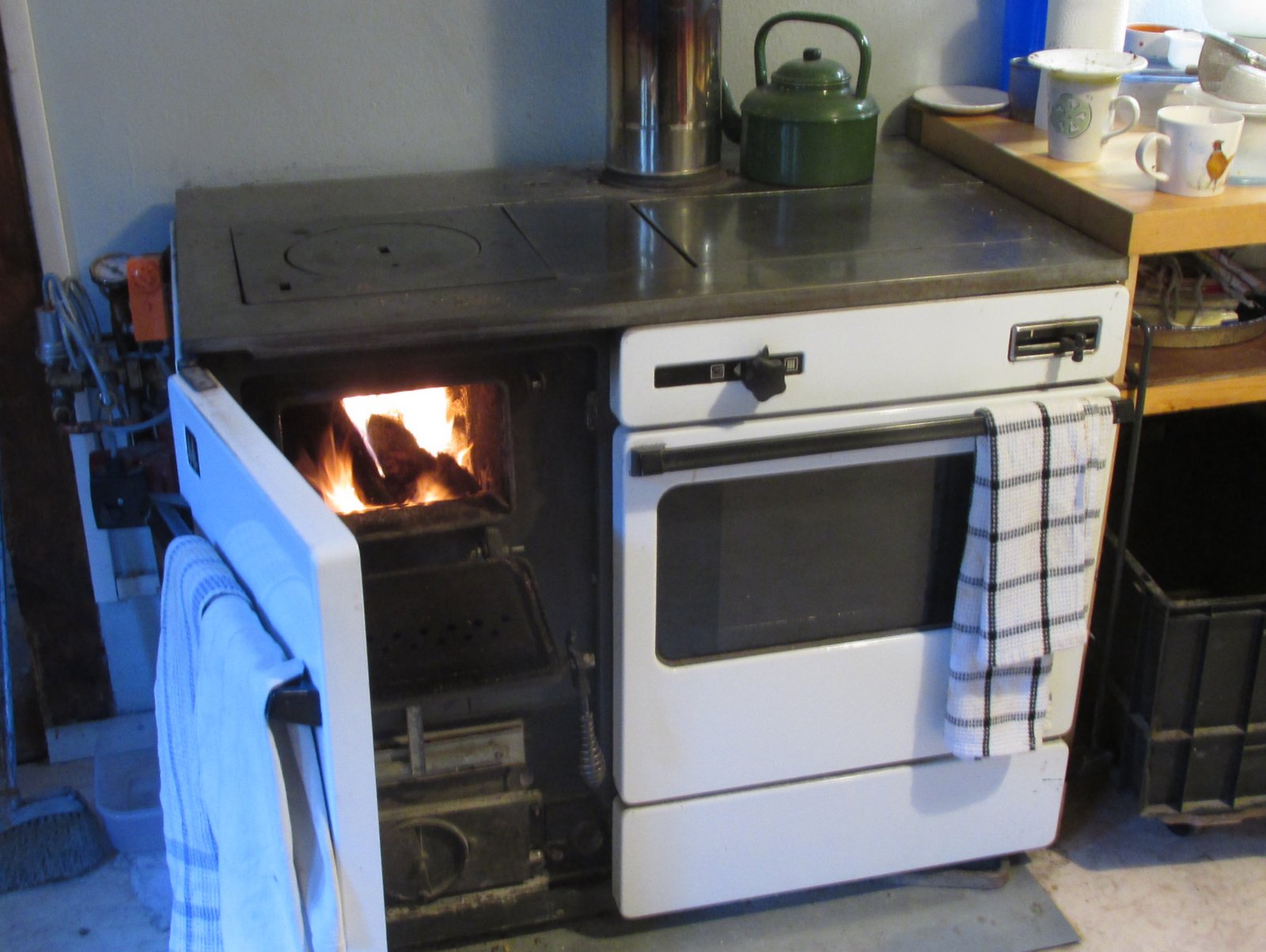
The wood stove is perhaps the most iconic form of wood heating. Compact, efficient, and stylish, stoves can transform a living room into the heart of a home. Modern stoves use advanced combustion technologies that provide high efficiency while reducing emissions. Glass-fronted doors allow you to enjoy the fire’s glow, turning heat into a visual experience.
- Advantages: direct, radiant warmth; lower fuel costs; atmosphere and character.
- Considerations: regular cleaning; chimney maintenance; proper storage of dry wood.
Wood-Fired Central Heating: Tradition Meets Modern Comfort
For those seeking to heat an entire house, wood-fired central heating systems offer a more comprehensive solution. These systems use a large wood boiler or furnace to heat water, which then circulates through radiators or underfloor heating. This approach combines the charm of wood with the convenience of a centralized heating system.
- Advantages: even heat distribution; integration with domestic hot water; potential to combine with solar or other renewables.
- Considerations: requires storage space for logs; more labor than automated systems like pellets; installation and maintenance costs.
Sustainability and Responsibility
Wood is a renewable energy source, provided it comes from responsibly managed forests. In Eastern France, for example, coppiced woodlands and forestry practices ensure a continuous supply. Burning locally sourced wood reduces reliance on fossil fuels and lowers the carbon footprint of heating, as trees absorb CO₂ during their growth.