The History of Baume-Les-Messieurs
A comprehensive history of Baume-les-Messieurs (in the Jura department, Bourgogne-Franche-Comté, France) — its geography, origins, monastic importance, decline and modern revival.
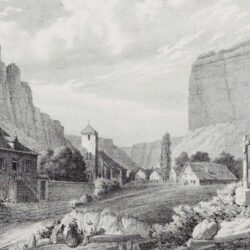
A comprehensive history of Baume-les-Messieurs (in the Jura department, Bourgogne-Franche-Comté, France) — its geography, origins, monastic importance, decline and modern revival.
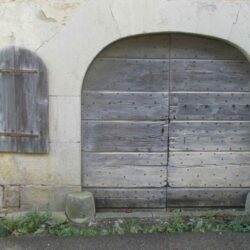
Caves vigneronnes à Baume-les-Messieurs
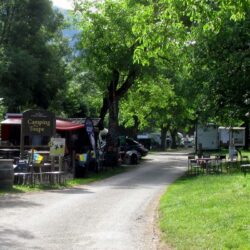
The village of Baume-les-Messieurs has experienced a profound shift in its primary economic engine, moving from winemaking (pre-19th century) to dairy farming (late 19th and 20th centuries), and finally, in the latter half of the 20th century and into the 21st, to tourism.
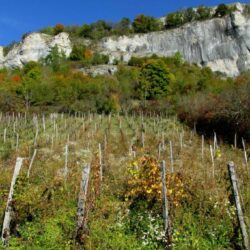
The Phylloxera Crisis that struck France starting in the 1860s was an unmitigated disaster for the small winemakers of Baume-les-Messieurs, serving as the single greatest catalyst for the village’s shift from a viticultural economy to a dairy-based one. For the small, family-run estates in the Jura’s picturesque reculée (blind valley), the arrival of the root-feeding aphid, Phylloxera vastatrix, meant total economic collapse.
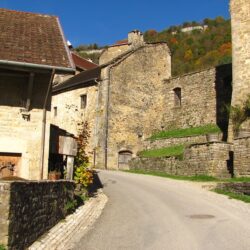
The picturesque village of Baume-les-Messieurs in the Jura region of France offers a fascinating case study in how economic necessity dictates land use and architectural adaptation. Following the tumult of the Napoleonic era and throughout the 19th century, this settlement underwent a significant shift, transitioning from a community deeply centered on winemaking to one focused primarily on dairy farming and the burgeoning local cheese industry.
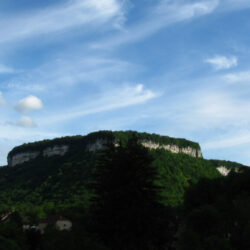
Baume-les-Messieurs is a geological gem: the convergence of sedimentary history, tectonic uplift, karst processes, erosion and surface topography all in one accessible place. For anyone interested in “place and geology”, it offers a rich palette of phenomena to explore—rock types, cave systems, waterfalls built by travertine, striking morphology, and interaction with human settlement.
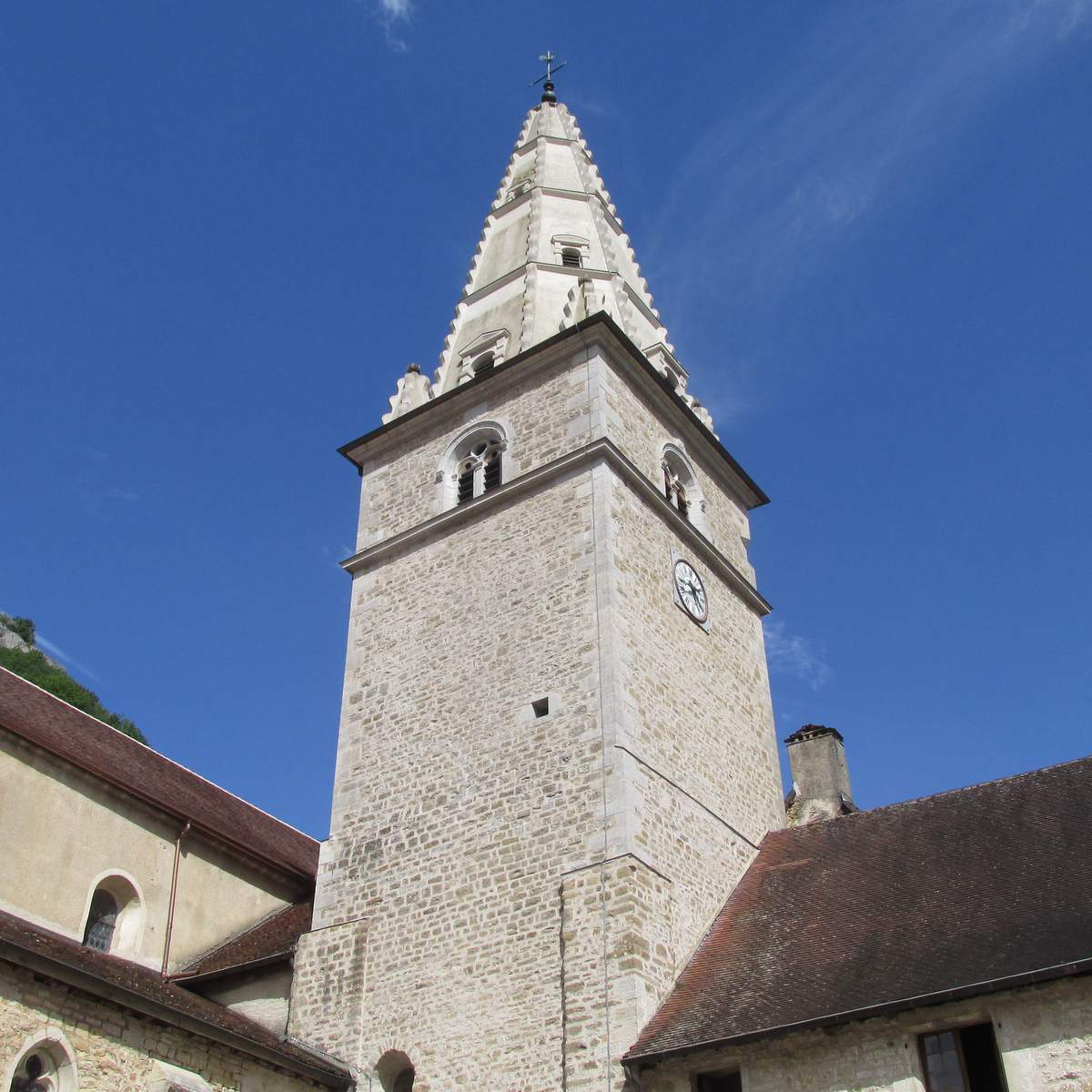
Baume-les-Messieurs holds the prestigious label of being among the “100 plus beaux villages de France.” Visitors from all over the world come to admire its Abbey and breathtaking natural setting. Yet beyond the Abbey, the village’s architectural fabric tells a very different story—one that must not be overlooked in heritage management.