Gardening
Encouraging biodiversity
Encouraging biodiversity doesn’t mean your garden has to turn into an untamed jungle.
With some thoughtful design, you can make it both rich in life and neat in appearance.
01
Choose a Variety of Plants (Structure & Seasonality)
Native species first: Native flowers, shrubs, and trees are best adapted to local soils and climate, so they support more insects, birds, and pollinators.
-
Different layers: Include ground cover, small shrubs, medium bushes, and at least one tree if space allows — this creates habitats for a wide range of species.
-
Year-round interest: Select plants that flower at different times of the year so pollinators always have something to feed on. It also keeps the garden looking colourful and orderly.
Tidy-look tip: Plant in defined beds or borders with edging. This makes even a wild mix of plants look intentional.
02
Support polinators
Plant nectar-rich flowers like lavender, thyme, foxglove, echinacea, buddleia, or wild marjoram.
- Group the same flowers together in clusters — pollinators prefer patches.
- Avoid double-petaled varieties, which often lack nectar.
Tidy-look tip: Choose pollinator-friendly flowers in coordinated colour schemes to maintain a design feel.
03
Provide Shelter & Nesting Places
Bug hotels: A neat wooden bug hotel tucked into a border can look attractive while helping solitary bees and insects.
-
Bird boxes and bat boxes mounted on walls or trees provide extra shelter.
-
Leave some hedgehog gaps (13cm square) at the base of fences so wildlife can move between gardens.
Tidy-look tip: Buy or make stylish, well-designed wildlife boxes that blend into your garden’s aesthetic.
04
Add a Water Source
A small pond or even a half-barrel water feature can dramatically increase biodiversity (frogs, dragonflies, birds).
-
Make sure it has a shallow edge or sloping stones for animals to climb out safely.
-
No room? A bird bath or shallow dish refreshed daily also helps.
Tidy-look tip: Surround the water with stones, gravel, or clipped grass so it looks like a designed feature rather than wild boggy ground.
05
Manage Lawns Wisely
Keep a main lawn area neatly mown, but allow small sections or edges to grow longer to encourage wildflowers like daisies and clover.
- Alternatively, plant a mini wildflower meadow strip with a crisp border for a neat/wild contrast.
06
Avoid Chemicals, Use Natural Methods
Pesticides and herbicides harm beneficial insects and soil health.
-
Encourage natural predators (ladybirds, hoverflies, birds, frogs) to control pests.
-
Compost kitchen waste to enrich soil naturally.
Tidy-look tip: Keep compost heaps enclosed in a wooden bin or tucked behind a shrub to look organised.
07
Grow Fruit, Veg, and Herbs
Apple trees, berry bushes, and herbs like rosemary and thyme feed both you and pollinators.
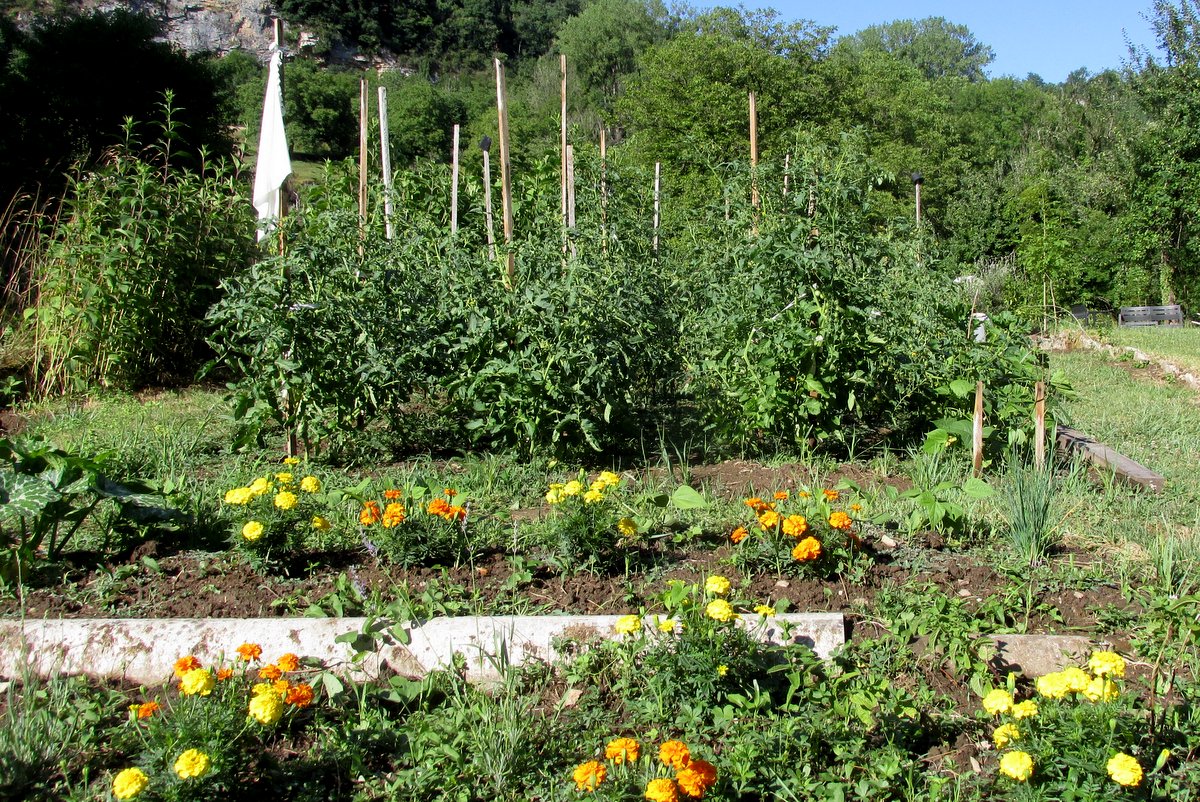
- Kitchen gardens can be very tidy if planted in raised beds or geometric patterns.
Summary
To balance biodiversity with a tidy look, think in terms of structured design. Use defined beds, neat paths, raised planters, and clipped borders — then fill those spaces with wildlife-friendly plants, water, and shelter. This way, your garden looks intentional and well-kept, but is buzzing with life.