The Advantages of Baking Bread at Home
Baking bread at home is one of the most rewarding culinary practices you can adopt. It’s not only about producing food—it’s about connection, creativity, and well-being. Here are some of the main advantages:
-
Health and Quality Control
Homemade bread allows you to control every ingredient. You can avoid unnecessary additives, preservatives, and excessive salt or sugar, while using organic flour, whole grains, or seeds. This ensures a healthier and fresher loaf compared to many store-bought options. -
Cost Efficiency
Baking bread is significantly cheaper than purchasing artisanal loaves at bakeries. Bulk-buying flour and yeast allows you to produce high-quality bread at a fraction of the cost. -
Taste and Texture
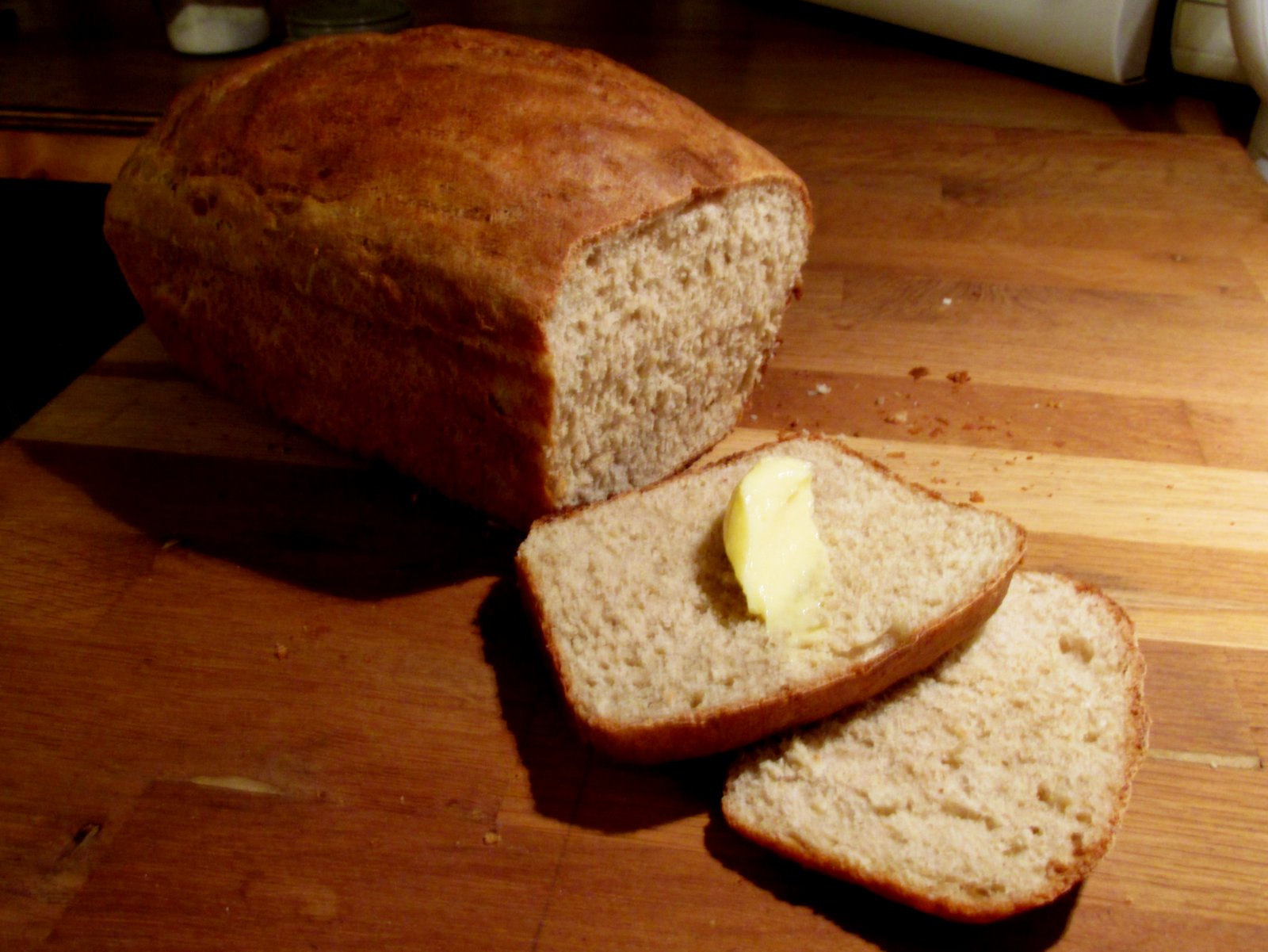
Nothing compares to the flavor, crust, and aroma of freshly baked bread. Homemade loaves can be adjusted to your taste, whether you prefer a rustic sourdough, soft sandwich bread, or enriched doughs. -
Creativity and Personalization
From experimenting with different flours (rye, spelt, whole wheat) to adding herbs, seeds, or dried fruits, baking bread at home allows endless possibilities. -
Sustainability
Making your own bread reduces packaging waste and transportation energy associated with store-bought products. It’s a simple yet impactful step toward eco-friendly living. -
Emotional and Cultural Value
The act of kneading, shaping, and baking bread is grounding and fulfilling. It connects you to traditions passed down through generations and provides a deep sense of satisfaction when sharing with family and friends.
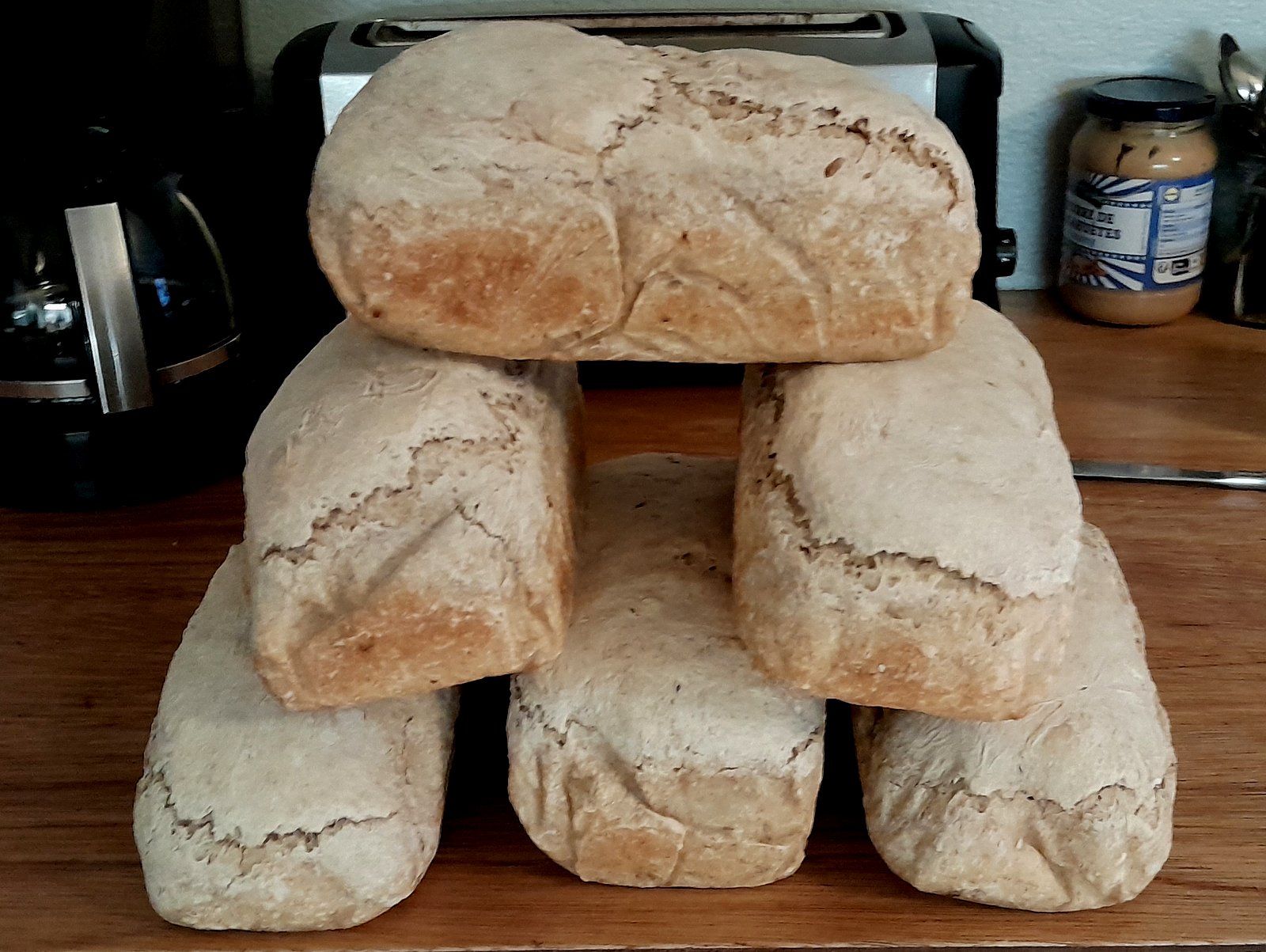
Baking six loaves at once not only fills your home with an irresistible aroma but also provides a stock of fresh, healthy bread that can be enjoyed immediately or frozen for later.
It’s an economical, sustainable, and delicious way to nourish yourself and your loved ones.
Homemade bread is more than food—it’s a tradition, a craft, and a joy.
Recipe: Six Homemade Loaves (Standard White Bread)
This recipe yields six medium-sized loaves, perfect for freezing, gifting, or feeding a large household.
Ingredients:
3 kg strong bread flour (white or mix with whole wheat)
90 g salt
60 g sugar (optional, enhances browning and flavor)
60 g dry yeast (or 180 g fresh yeast)
150 ml olive oil or melted butter (optional for softer crumb)
1.8–2 liters warm water (adjust gradually)
Method:
Prepare the yeast:
Dissolve yeast in part of the warm water with the sugar. Let it stand for 5–10 minutes until frothy.Mix the dough:
In a large bowl or mixer, combine flour and salt. Add the yeast mixture, remaining water, and oil/butter. Mix until a sticky dough forms.Knead:
Knead for 10–15 minutes by hand (or 8–10 minutes with a dough hook) until smooth and elastic.First rise:
Place dough in a lightly oiled bowl, cover, and let rise for 1–1.5 hours, or until doubled in size.Shape the loaves:
Punch down dough, divide into six equal portions, and shape into loaves. Place into greased tins or shape free-form on baking sheets.Second rise:
Cover and let rise for 40–60 minutes, until the loaves are well-puffed.Bake:
Preheat oven to 220°C (425°F). Bake loaves for 25–30 minutes, or until golden brown and hollow-sounding when tapped underneath.Cool:
Remove from tins and cool on wire racks.